
Landlord Blog
Education and news for smart DIY landlords!
Reducing Humidity in Your Rental During Hot Months

Hot months don’t just bring higher temperatures—they often come with heavy, sticky air that can make your living space feel uncomfortable and even unhealthy. If you’re renting, you may not have full control over structural changes, but there are still plenty of practical ways to manage indoor humidity and create a more comfortable environment.
Why Humidity Matters
High humidity levels can make heat feel more intense, disrupt sleep, and encourage mold growth. It can also damage furniture, clothing, and electronics over time. Ideally, indoor humidity should sit between 30% and 50%. Once it climbs above that range, you may start to notice condensation, musty odors, or a general feeling of dampness.
Improve Air Circulation
One of the simplest ways to reduce humidity is by keeping air moving. Stagnant air traps moisture, while proper airflow helps it evaporate. Use electric fans to circulate air throughout your space, especially in areas prone to moisture like kitchens and bathrooms. If your unit has windows on opposite sides, take advantage of cross-ventilation by opening them during cooler parts of the day, such as early morning or late evening.
Read more: How You Can Improve Indoor Air Quality at Home
Use a Dehumidifier
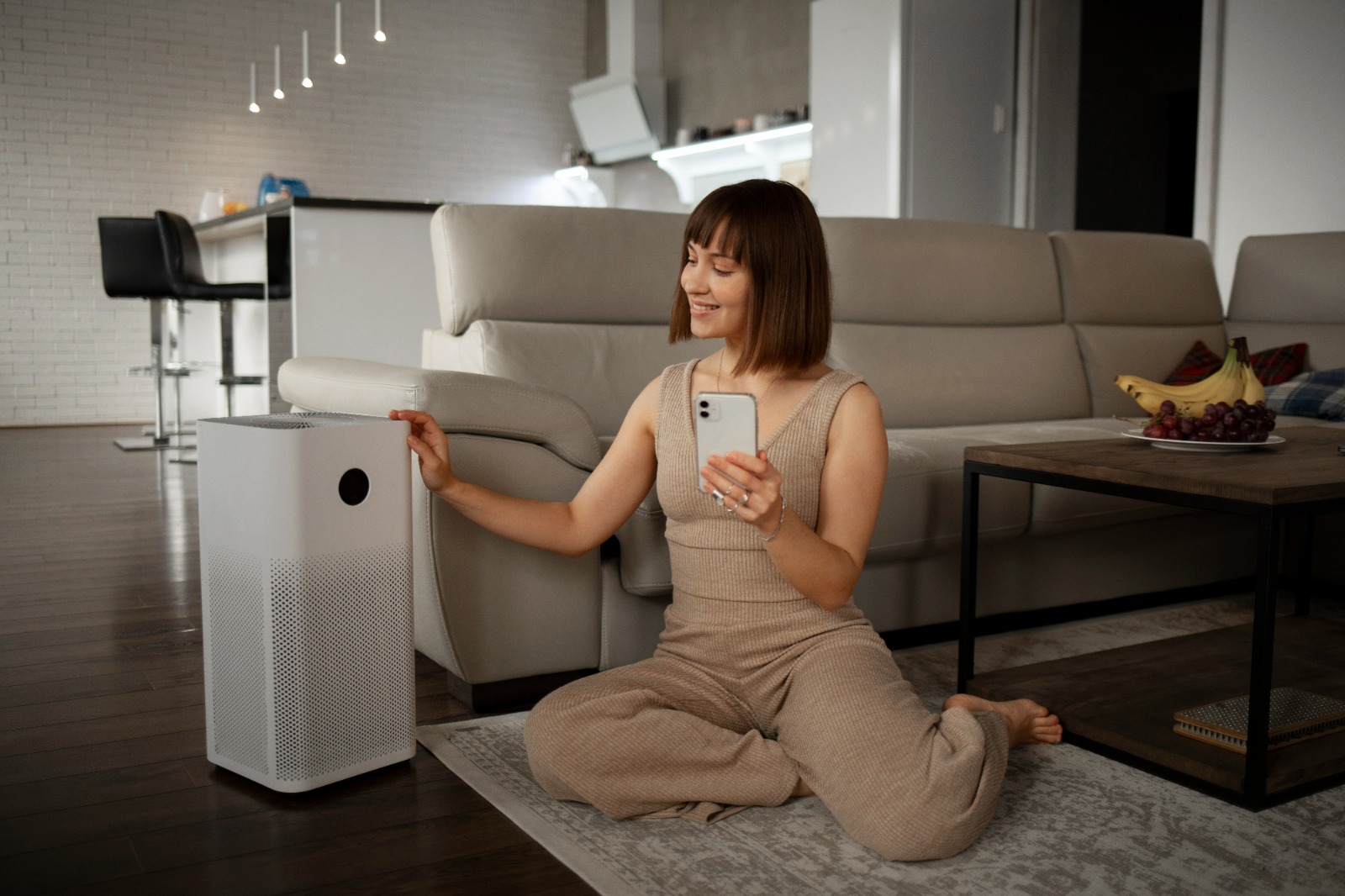
A portable dehumidifier is one of the most effective tools for renters. It pulls excess moisture out of the air and collects it in a tank or drains it away. Choose a size that matches your room—smaller units work for bedrooms, while larger ones can handle living areas. Even running it for a few hours a day can make a noticeable difference.
Be Strategic with Air Conditioning
Air conditioners naturally remove some humidity as they cool the air. If you have access to one, use it consistently rather than turning it on and off throughout the day. Keeping a steady temperature helps maintain balanced humidity levels. Clean or replace filters regularly to keep it working efficiently.
Limit Moisture-Producing Activities
Everyday habits can quietly add moisture to your space. Cooking, boiling water, and even long hot showers release steam into the air. Use exhaust fans when available, and keep lids on pots while cooking. After showering, leave the bathroom door slightly open or run a fan to let moisture escape instead of spreading through your unit.
Dry Laundry Carefully
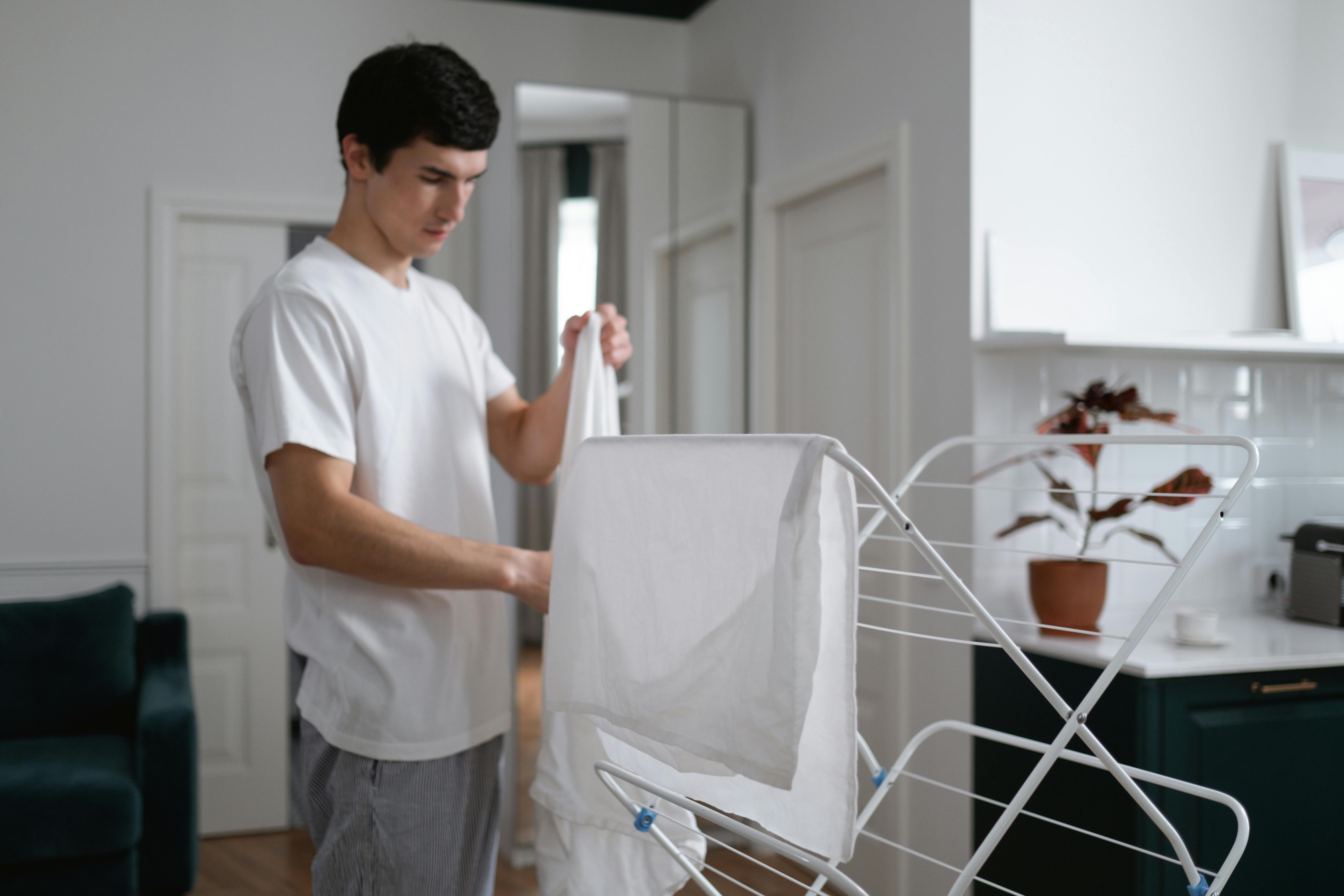
Air-drying clothes indoors can significantly increase humidity, especially in smaller apartments. If you don’t have access to outdoor drying or a dryer, try placing your drying rack near a window or in a well-ventilated area. Pairing this with a fan or dehumidifier can help offset the added moisture.
Add Moisture-Absorbing Materials
Simple, low-cost solutions like moisture absorbers, charcoal, or baking soda can help reduce dampness in closets, cabinets, and other tight spaces. While they won’t replace a dehumidifier, they’re useful for targeting smaller problem areas.
Keep an Eye on Problem Spots
Certain areas—like under sinks, around windows, or behind furniture—can trap moisture and become breeding grounds for mold. Check these spots regularly and wipe down any condensation you find. If you notice persistent issues, it’s worth informing your landlord before it becomes a bigger problem.
Final Thoughts
Living in a humid rental during hot months can be frustrating, but it’s manageable with a few consistent habits and the right tools. Focus on airflow, moisture control, and daily routines that limit excess humidity. Small adjustments can go a long way in making your space feel cooler, cleaner, and more comfortable all season long.
Discover more articles below!