
Landlord Blog
Education and news for smart DIY landlords!
Is a Distressed Property a Good Deal in 2026?
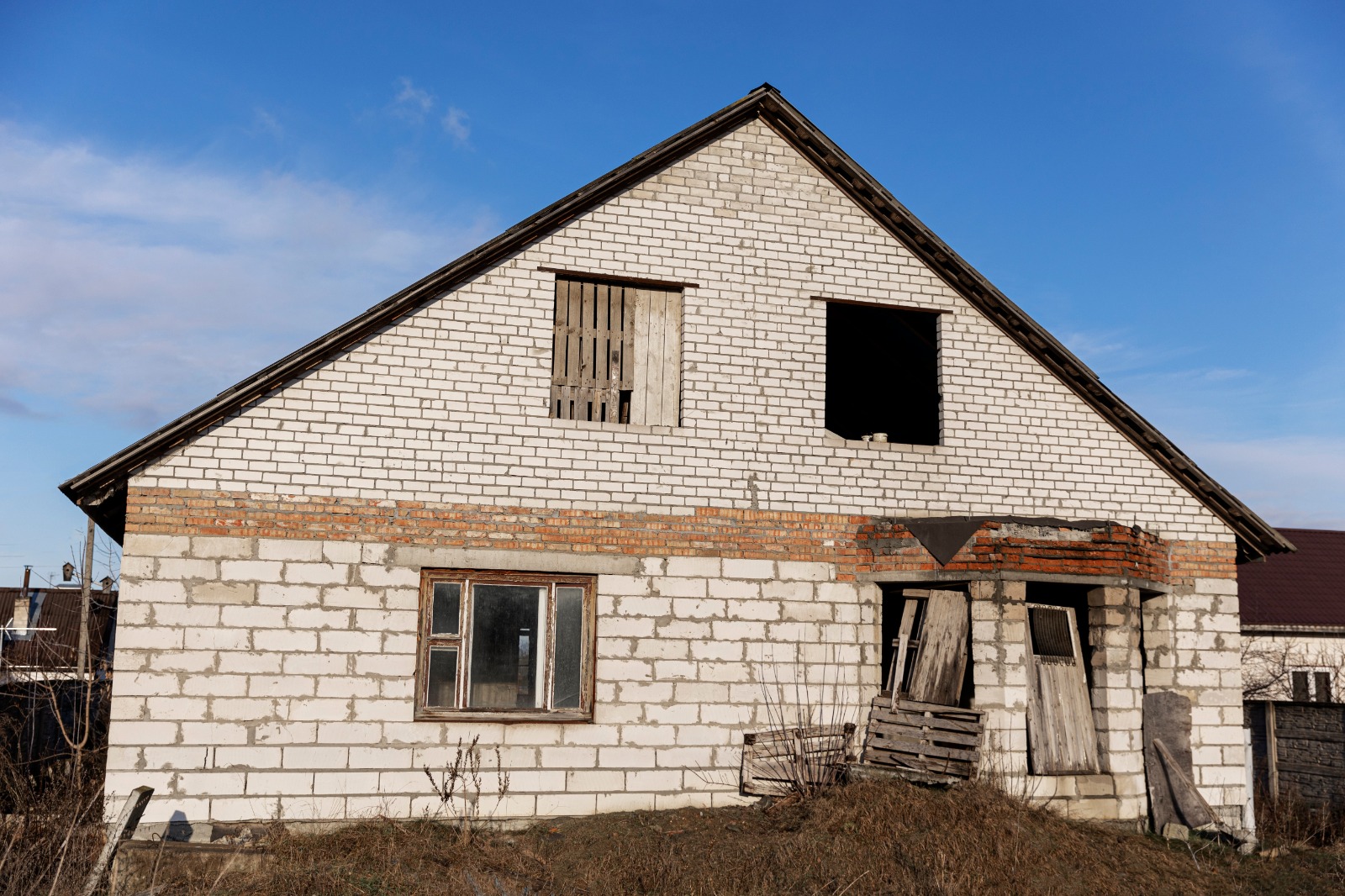
With shifting interest rates, tighter lending standards, and pockets of economic uncertainty, distressed properties are once again catching the attention of investors and first-time buyers in 2026. The idea is simple: buy low, renovate, and build equity. But is it really that straightforward?
The answer depends on preparation, patience, and a clear understanding of what you’re walking into.
What Counts as a Distressed Property?
A distressed property is typically one facing financial or physical challenges. This can include foreclosures, short sales, bank-owned homes (REOs), or properties in serious disrepair. Some are neglected due to financial hardship. Others are tied up in probate or tax liens.
Because sellers are often motivated, these homes are usually listed below market value. That lower price is what draws buyers in. But the discount is only part of the story.
The Potential Upside
The biggest advantage of buying a distressed property in 2026 is price. In certain markets where home values have stabilized or softened, distressed listings may offer rare entry points below comparable homes.
For investors, that discount can translate into strong returns after renovation. For primary homebuyers, it may mean getting into a neighborhood that would otherwise be out of reach.
There’s also less competition in some cases. Many buyers shy away from homes that need significant repairs. If you’re willing to take on the work, you may face fewer bidding wars than with move-in-ready homes.
Raad more: How to Find Undervalued Properties in a Tough Market
The Hidden Costs

Distressed homes often come with deferred maintenance, structural issues, outdated systems, or even legal complications. Cosmetic updates are one thing. Foundation problems, mold, roof damage, or electrical hazards are another.
Renovation costs in 2026 remain elevated compared to pre-pandemic levels. Labor shortages in some regions and material price fluctuations can stretch timelines and budgets. A home that looks like a bargain on paper can quickly become expensive if repairs spiral.
There’s also financing to consider. Some distressed properties may not qualify for traditional mortgages if they’re in poor condition. You might need renovation loans or alternative financing, which can carry higher rates or stricter requirements.
Read more: Signs a House Isn’t Worth the Investment
Legal and Title Risks
Distressed properties sometimes involve liens, unpaid taxes, or ownership disputes. Foreclosures and probate sales can carry additional paperwork and longer closing timelines.
A thorough title search and working with an experienced real estate attorney or agent is critical. Skipping this step to save money can create bigger problems later.
Discover: How to Find a Real Estate Agent Who’ll Guide You Every Step of the Way
Is It Worth It in 2026?
For buyers with cash reserves, renovation experience, and a strong risk tolerance, distressed properties can still offer solid opportunities. The key is running the numbers conservatively. Always budget more for repairs than you expect. Build in time buffers. Assume surprises.
For first-time buyers without a financial cushion, the risk may outweigh the reward. A lower purchase price does not automatically mean a better deal if stress, delays, and unexpected expenses follow.
Final Thoughts
A distressed property can be a smart move in 2026, but only if you approach it with clear eyes and careful planning. The discount should make sense after factoring in repairs, financing costs, legal checks, and your own capacity to manage a project.
It’s not about chasing a bargain. It’s about understanding the full picture and deciding whether the opportunity truly aligns with your goals and resources.